
Fixed Date vs Evergreen Countdown Timers — Which Is Right for Your Funnel?
Two timer types. Two very different use cases. Here's how to know which one your funnel actually needs.
If you've been looking at timer software, you've probably seen two options listed everywhere: fixed date and evergreen. Which one do you actually need? The answer depends entirely on how your offer is structured — and choosing the wrong type can mean your timer does nothing for conversions.
The Core Difference
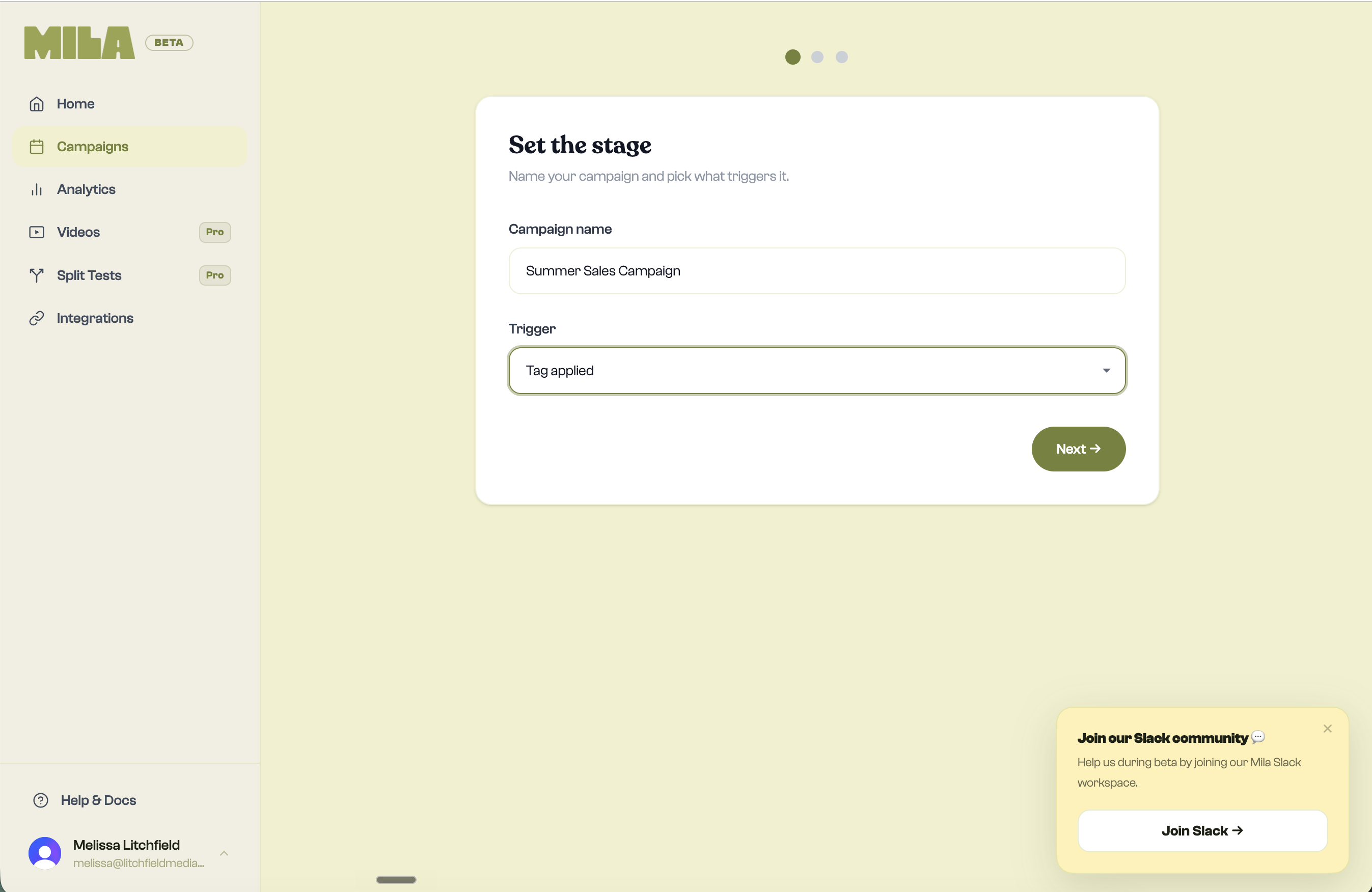
Fixed date timers share one deadline with your entire audience. If you're closing cart on Friday at midnight, every subscriber on your list sees the same countdown. The timer is tied to a specific date and time, not to any individual person.
Evergreen timers give each subscriber their own personal deadline. The countdown starts when they take a specific action — opting in, watching a webinar, clicking a link — and runs for a set number of hours or days from that moment.
Same tool, completely different logic.
When Fixed-Date Timers Are the Right Call
Fixed date is the right choice when you have a real shared deadline — something that's genuinely true for everyone at the same time.
The clearest use case: live launches. You're opening enrollment on Monday and closing it Friday at midnight. Every person on your list has the same window. A fixed-date timer on your sales page and in your emails reinforces that shared deadline and creates collective urgency across your audience.
Other good fits:
- Seasonal promotions tied to actual dates (Black Friday, end of quarter)
- Cohort-based programs with a fixed start date
- Flash sales with a specific end time
One underrated benefit of fixed-date timers: they create a shared energy. Your whole list is on the same countdown together, which amplifies the urgency in a way that evergreen timers can't replicate.
When Evergreen Timers Are the Right Call
Evergreen is the right choice when people enter your funnel on their own schedule and a shared deadline doesn't make sense.
The clearest use case: automated evergreen funnels. Someone discovers your podcast on a Tuesday and opts in to your free training. They watch it Thursday. A fixed-date timer can't give them a real deadline — the "sale" ended last Friday. An evergreen timer starts the moment they opt in and gives them a genuine window to decide.
Other good fits:
- Welcome sequence offers (new subscriber discount that expires 72 hours after joining)
- Evergreen webinar post-watch sequences
- Post-purchase upsell windows
- Any funnel that runs 24/7 with continuous new subscribers
Can You Use Both? Yes.
A common advanced strategy: run a fixed-date launch, then roll the late arrivals into an evergreen sequence.
For example: you do a live launch, cart closes Friday. Anyone who didn't buy but was engaged gets added to a new sequence on Monday with an evergreen "last chance" offer — their own personal 72-hour window. The launch ends, but the conversion opportunity continues for your warm leads.
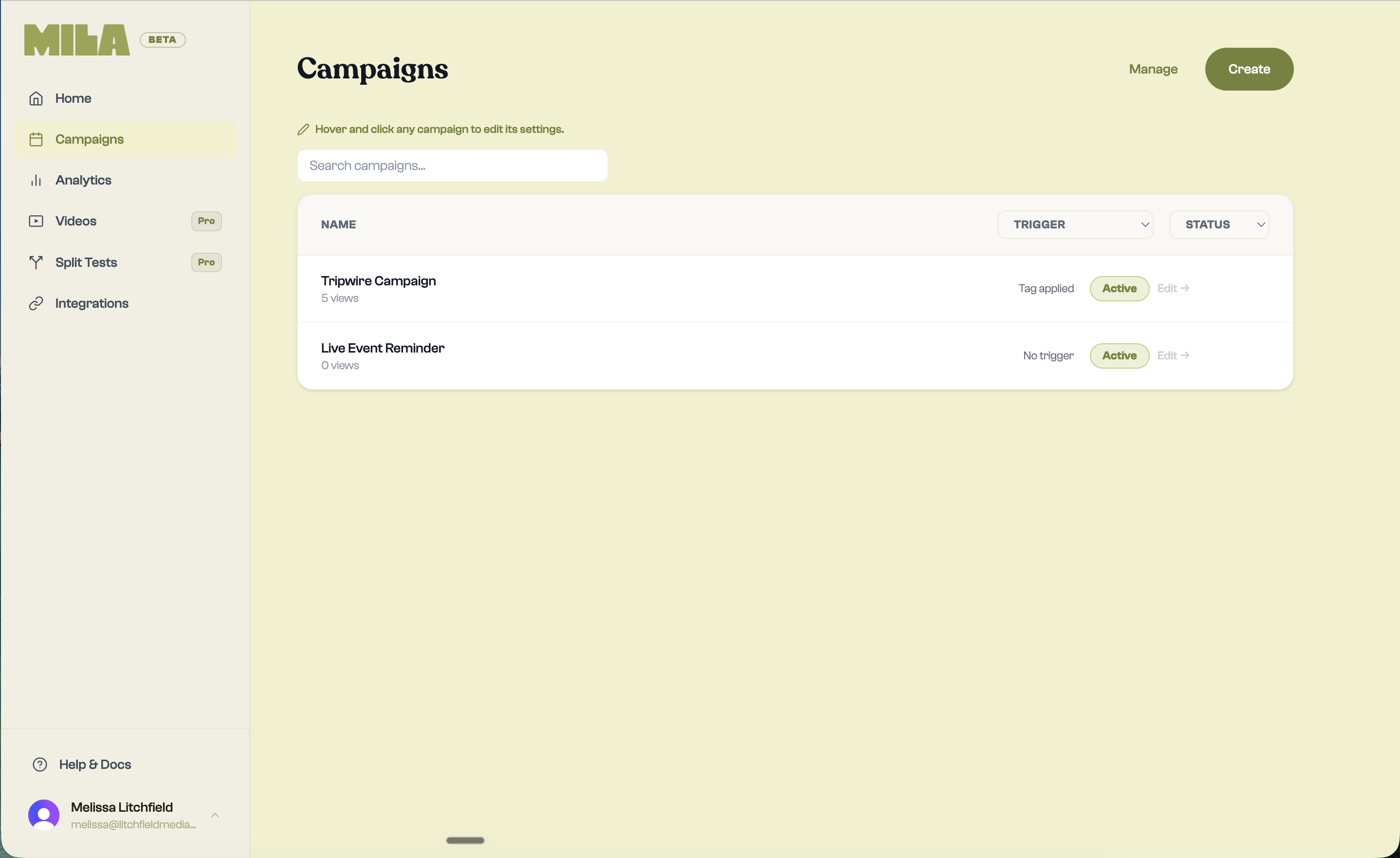
What Each Timer Looks Like in the Dashboard
The Quick Decision Framework
Not sure which to use? Answer this:
- Do all my subscribers see the offer at the same time? → Fixed date
- Do people enter my funnel on their own schedule? → Evergreen
- Am I running a live launch? → Fixed date
- Is my funnel automated and always-on? → Evergreen
- Do I want to run urgency without a launch event? → Evergreen
Mila supports both timer types in the same account — switch between them depending on the campaign. See how it works →
Ready to try Mila?
Create your first branded countdown timer in under 10 minutes. Free to start.
START FOR FREE